
Navigating Your Path
to Possibilities: US
Immigration Attorney
to Possibilities: US
Immigration Attorney

Consular processing is the path for immigrants who are outside the United States to apply for a Green Card through a U.S. embassy or consulate abroad. It is a multi‑step process involving USCIS, the National Visa Center (NVC), and the U.S. Department of State — and each stage requires careful preparation.
We help families throughout Orange County — including Newport Beach, Irvine, and Costa Mesa — navigate consular processing with clarity, confidence, and support at every step. Our immigration law firm also represents clients across the United States, offering nationwide guidance on consular processing, immigrant visa preparation, and communication with U.S. embassies and consulates.
Consular processing is the method used when a foreign national applies for an immigrant visa from outside the United States.
It is commonly used for:
Once the immigrant visa is approved, the beneficiary enters the U.S. as a permanent resident.
You may need consular processing if:
If you’re unsure whether consular processing is the right path, our immigration attorney can help you evaluate your options.
1. File the I‑130 Petition
The U.S. citizen or permanent resident files Form I‑130 to establish the qualifying family relationship.
2. USCIS Approval
Once approved, the case is transferred to the National Visa Center (NVC).
3. National Visa Center (NVC) Stage
This stage includes:
We help you prepare and upload all documents correctly to avoid delays.
4. Case Documentarily Qualified
Once NVC accepts all documents, the case is placed in line for an interview.
5. Consular Interview
The beneficiary attends an interview at the U.S. embassy or consulate in his or her home country.
Our immigration lawyer helps you prepare for:
6. Visa Approval and Entry to the U.S.
If approved, the beneficiary receives an immigrant visa and enters the U.S. as a permanent resident.
7. Receive the Green Card
The physical Green Card is mailed to the U.S. address after arrival.
A strong consular case includes:
We help clients gather and organize all required documents to avoid delays or RFEs.
These situations do not automatically harm your case — they simply require careful preparation and explanation.
Consular processing is usually required when the beneficiary is outside the U.S.
Adjustment of Status is used when the beneficiary is inside the U.S. and eligible to adjust.
We help families determine the correct path based on their circumstances.
Consular processing can feel overwhelming — you deserve an attorney who makes the process clear and manageable.
Timelines vary by embassy, but most cases take several months after I‑130 approval.
You will need civil documents, financial documents, and proof of your relationship. Our immigration attorney helps you prepare a complete packet.
Our law office helps clients respond quickly and correctly to avoid delays.
It is a temporary hold for additional review. Many cases resolve with proper documentation.
Yes — it must be completed by a panel physician approved by the embassy.
If you’re ready to begin consular processing or want help understanding your options, our attorney is here to guide you.
You can schedule a consultation or contact our office to get started.
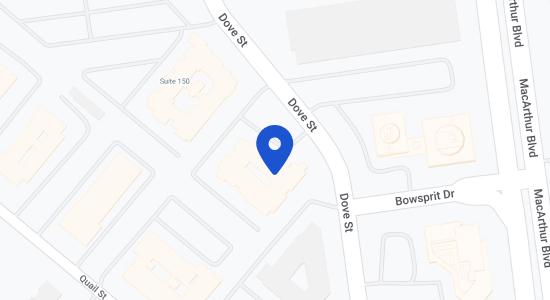
Newport Beach, CA 92660